Introduction
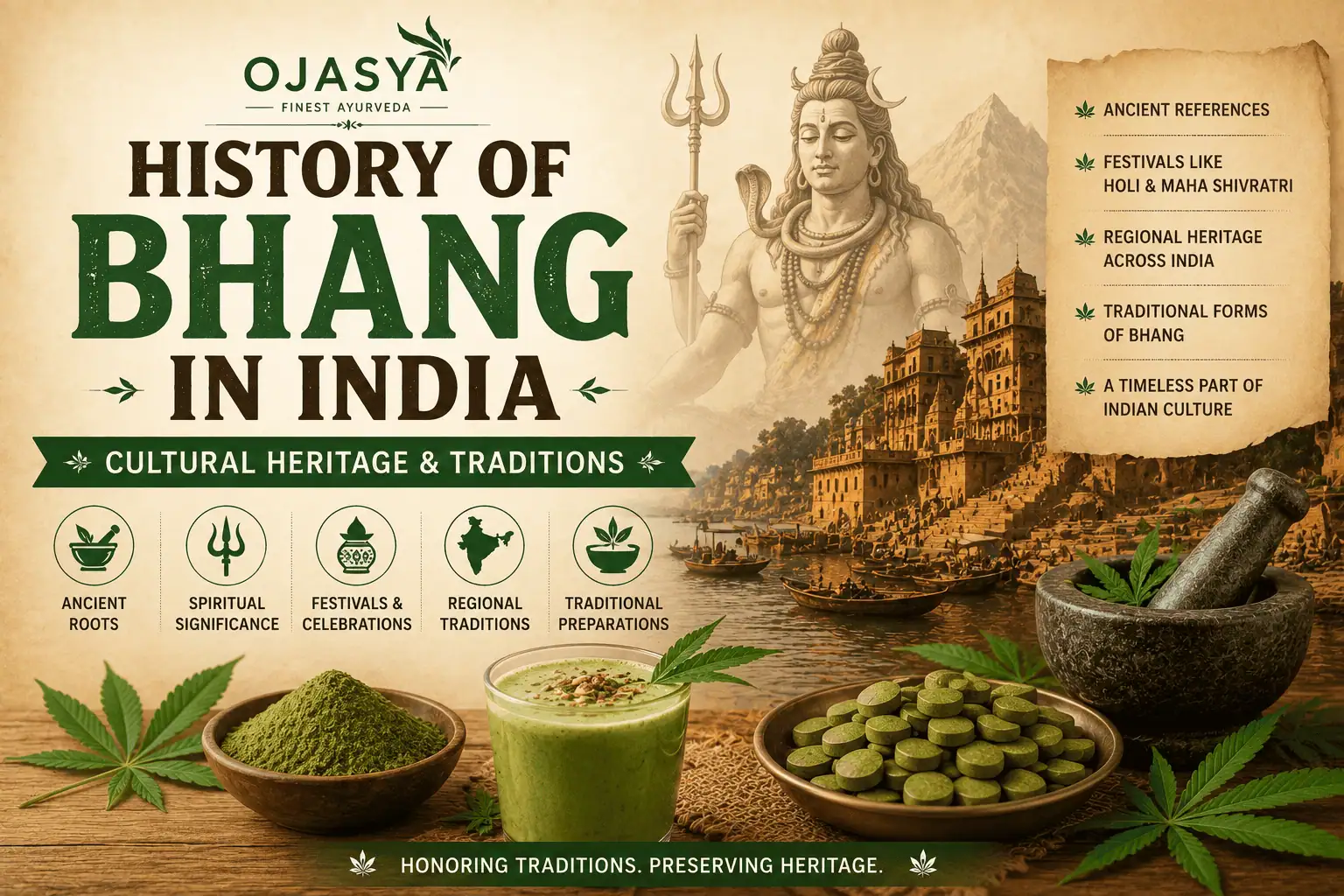
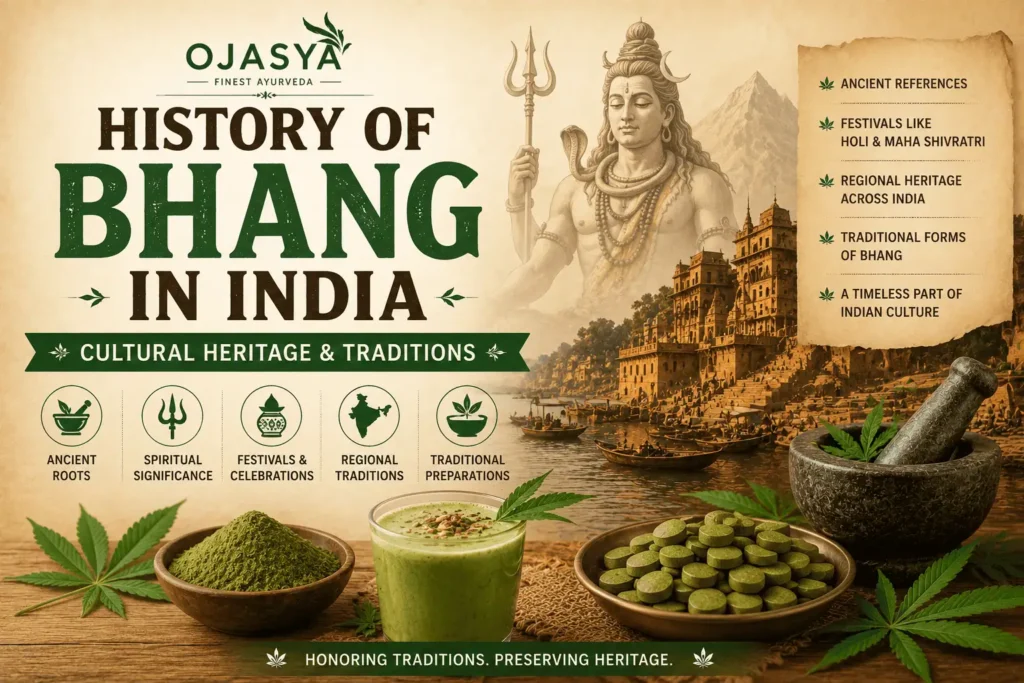
The history of bhang in India stretches back centuries and forms an important part of the country’s cultural heritage. From ancient traditions and regional customs to modern-day interest in traditional preparations, bhang has remained closely connected with Indian society.
Today, many people explore traditional bhang products not only because of their heritage but also because they represent a unique aspect of India’s cultural history. Understanding the story behind bhang helps preserve traditions that communities have passed down through generations.
If you are interested in exploring traditional preparations, you can browse our Bhang Products Collection.
Ancient References to Bhang
Historical references to bhang appear in various traditional texts, folklore, and regional customs. Over time, communities across India developed their own preparation methods and traditions surrounding bhang.
Furthermore, many historical accounts describe bhang as part of social gatherings, seasonal celebrations, and cultural practices. As a result, bhang became deeply woven into India’s heritage.
These traditions helped preserve knowledge about preparation techniques and regional customs for centuries.
Bhang and Indian Festivals
One of the strongest connections between bhang and Indian culture can be seen during traditional festivals.
Holi
Holi remains one of the most recognized festivals associated with bhang. During celebrations, communities gather to participate in traditional customs, music, and festive activities.
Maha Shivratri
Many cultural traditions also associate bhang with Maha Shivratri observances. Consequently, bhang has become a familiar part of discussions surrounding this festival.
Regional Celebrations
Different regions developed unique customs and preparation styles that reflected local traditions and cultural practices.
Therefore, bhang continues to hold cultural importance across multiple parts of India.
Regional Traditions Across India
The history of bhang in India varies from region to region.
Uttar Pradesh
Several cities in Uttar Pradesh have long-standing associations with traditional bhang preparations and festival customs.
Rajasthan
Rajasthan has preserved many heritage traditions involving bhang during cultural celebrations and community events.
Bihar
Bihar continues to maintain strong cultural connections with traditional bhang preparations, particularly during festivals.
Madhya Pradesh
Historical traditions involving bhang remain an important part of local cultural discussions.
Moreover, each region contributes unique preparation styles and customs that enrich India’s cultural diversity.
Traditional Forms of Bhang
Over the years, communities developed several traditional product forms.
Bhang Goli
Compact preparations such as Bhang Goli Products became popular because they were easy to store and transport.
Bhang Powder
Traditional powdered preparations continue to attract interest among people exploring heritage-inspired products. You can learn more through our Bhang Powder Collection.
Vijaya Vati Preparations
Regional traditions also gave rise to products such as Vijaya Vati formulations, which remain part of India’s herbal heritage.
Cultural Importance of Bhang
The cultural significance of bhang extends beyond the product itself.
It represents:
- Traditional knowledge
- Regional customs
- Festival heritage
- Community celebrations
- Historical preparation methods
Furthermore, these traditions continue to inspire interest among people who appreciate India’s rich cultural history.
For additional historical information, readers can explore Wikipedia’s Bhang Page.
Traditional Bhang Products Available Today
Today, people interested in traditional preparations can explore products such as:
- Anand Munakka Bhang Goli
- Shree Bhola Munakka Bhang Goli
- Mahakal Munakka Vati Bhang Goli
- Lehri Vijaya Vati Goli
These products reflect traditions that have evolved across generations while maintaining connections to India’s cultural heritage.
Frequently Asked Questions
What Is the History of Bhang in India?
The history of bhang in India spans centuries and includes associations with cultural traditions, festivals, and regional customs.
Why Is Bhang Associated with Holi?
Many communities have historically connected bhang with Holi celebrations and festive traditions.
Which States Have Traditional Bhang Customs?
Uttar Pradesh, Rajasthan, Bihar, Madhya Pradesh, and several other states maintain cultural traditions involving bhang.
What Are Popular Traditional Bhang Products?
Popular traditional products include Bhang Goli, Bhang Powder, Vijaya Vati preparations, and Munakka-based formulations.
Where Can I Learn More About Traditional Bhang Products?
You can explore our Bhang Products Collection for additional information.
Conclusion
The history of bhang in India reflects centuries of cultural traditions, regional customs, and community practices. From Holi celebrations and Maha Shivratri observances to traditional herbal preparations, bhang continues to occupy a unique place in India’s heritage.
By understanding its history and cultural significance, readers can gain deeper insight into one of India’s most enduring traditional preparations.
Disclaimer: This article is intended for educational and informational purposes only. Always follow applicable local laws and regulations.