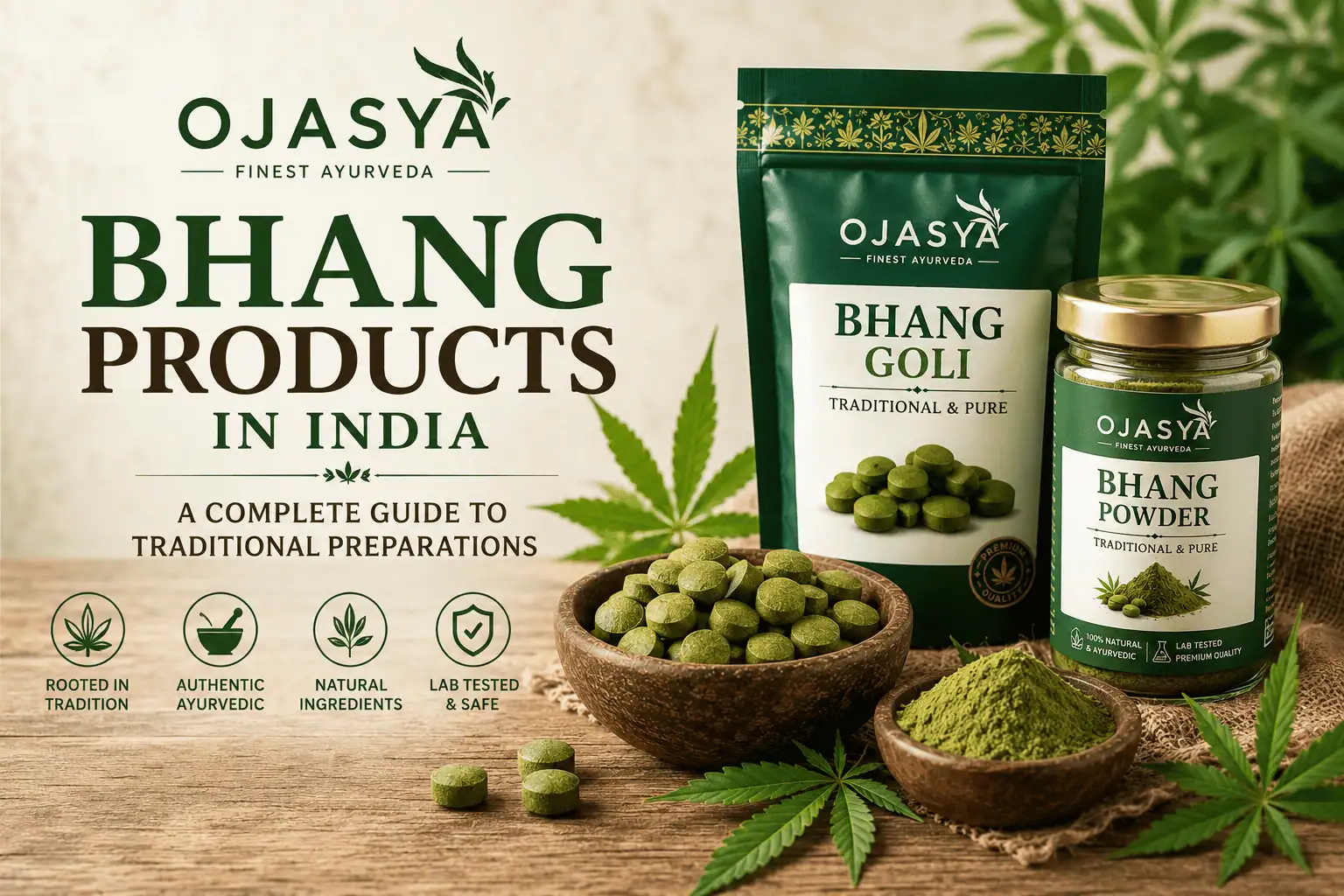
India has a long history of traditional herbal practices, regional recipes, festivals, and cultural traditions. Among the preparations associated with this heritage, traditional bhang products in India have a distinctive place.
Bhang has historically been associated with particular regional customs and festivals, and different communities have developed their own ways of preparing and presenting traditional bhang.
Today, people researching traditional bhang products may encounter several different formats, including Bhang Goli, Bhang Powder, Vijaya Vati-style preparations, and other traditional formulations.
This guide explains the main types of traditional bhang products, their general forms, their cultural background, and how modern packaged products can differ from historical preparations.
Disclaimer: This article is provided for educational and informational purposes only. Laws and regulations concerning bhang and cannabis-related products may vary by state and may change over time. Always verify the applicable requirements in your location.
What Are Traditional Bhang Products in India?
Traditional bhang products in India generally refers to preparations associated with traditional bhang and regional herbal practices.
Historically, bhang has been associated with preparations made from cannabis leaves, while different communities developed their own recipes, ingredients, and preparation methods.
As a result, there is no single standardized form of traditional bhang.
Depending on the preparation and manufacturer, modern products may be presented as:
- Bhang Goli
- Bhang Powder
- Vijaya Vati-style preparations
- Other traditional-style formulations
The ingredients and formulation can vary between products. Therefore, consumers should always check the specific product label and manufacturer information rather than assuming that all products have the same composition.
History of Bhang Products in India
Bhang has a long cultural history in India and has been associated with regional customs, traditional practices, and certain festivals.
Historical and cultural references connect bhang with occasions such as:
- Holi
- Maha Shivratri
- Regional festivals
- Community celebrations
- Traditional gatherings
Over time, different communities developed their own recipes and preparation methods. This regional diversity is one reason why traditional bhang products can appear in different forms.
For a dedicated historical overview, read our History of Bhang in India guide.
You can also learn more about the cultural background in our Traditional Bhang in India: Culture, History & Heritage article.
For additional general background, see Wikipedia’s Bhang page.
Types of Traditional Bhang Products in India
Modern consumers may encounter several different product formats associated with traditional bhang.
The most commonly encountered formats include Bhang Goli, Bhang Powder, and Vijaya Vati-style preparations.
Bhang Goli
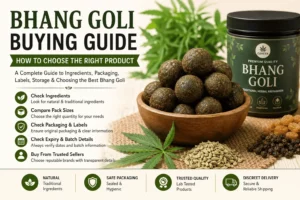
Bhang Goli is a compact product format generally presented as a small ball, pellet, or tablet-like preparation.
The word “goli” refers to the compact form, while the actual ingredients can vary depending on the product and manufacturer.
Modern Bhang Goli products may differ in formulation, packaging, quantity, and ingredients. Therefore, the product label should always be checked for specific information.
You can explore the Bhang Goli Collection for the products available from Ojasya.
For a beginner-friendly explanation, see What Is Bhang Goli?.
Bhang Powder
Bhang Powder is a powdered product format associated with traditional bhang preparations.
Historically, powdered preparations could be incorporated into different regional recipes and traditional preparations. Modern packaged products can differ in their ingredients and formulation.
If you are interested in this product format, explore the Bhang Powder Collection.
You can also read Bhang Goli vs Bhang Powder to understand the differences between these two product formats.
Vijaya Vati
Vijaya Vati is a traditional-style formulation associated with the broader history of herbal preparations in India.
The exact formulation of a Vijaya Vati product can vary between manufacturers. Different products may use different ingredients, preparation methods, and labeling.
Readers interested in this category can learn more from our Guide to Vijaya Vati Products.
Traditional Herbal Blends
Some traditional-style formulations may combine bhang-associated ingredients with other herbal or plant-based ingredients.
These formulations can reflect particular regional traditions or modern interpretations of traditional recipes.
Because formulations can vary considerably, the specific ingredient list should always be checked before considering any packaged product.
Traditional Bhang Products and Indian Culture
The cultural significance of bhang is an important part of understanding traditional bhang products in India.
Bhang has been associated with certain regional customs and festivals for generations. These cultural associations have contributed to its recognition as part of India’s diverse heritage.
However, traditions are not identical throughout the country.
Different regions and communities can have different practices, recipes, and cultural interpretations. Therefore, traditional bhang should be understood within its specific cultural and regional context.
Traditional Bhang Products and Indian Festivals
Bhang is often discussed in connection with festivals such as Holi and Maha Shivratri.
In some communities, traditional preparations have historically been associated with these occasions. However, these customs are not universal throughout India.
Festival traditions can vary by:
- Region
- Community
- Family tradition
- Religious practice
- Local customs
This diversity is an important part of India’s cultural heritage.
Understanding the Different Product Forms
One of the easiest ways to understand traditional bhang products is to compare their general physical formats.
| Product Type | General Form | Key Characteristic |
|---|---|---|
| Bhang Goli | Ball, pellet, or tablet-like form | Compact preparation |
| Bhang Powder | Powder | Loose powdered format |
| Vijaya Vati | Vati/tablet-style form | Traditional-style formulation |
| Traditional Blends | Varies | Formulation depends on product |
These descriptions refer only to general product formats. Actual ingredients, formulation, manufacturing processes, and labeling can differ between products and manufacturers.
Traditional Preparations vs Modern Packaged Products
An important distinction when researching traditional bhang products in India is the difference between historical preparations and modern commercial products.
Traditional preparations may have been based on regional recipes, family practices, or locally available ingredients.
Modern packaged products, on the other hand, are manufactured and labeled by individual producers and can differ from historical preparations.
The differences can include:
- Ingredients
- Formulation
- Manufacturing process
- Packaging
- Product quantity
- Labeling
- Storage requirements
Therefore, a modern product should not automatically be assumed to be identical to a historical preparation simply because it uses a traditional product name.
What Should You Check on a Bhang Product Label?
If you are researching packaged products, the product label is an important source of information.
Look for:
Ingredients
Review the ingredient information provided for the specific product.
Manufacturer or Seller
Check the manufacturer or seller details supplied with the product.
Product Information
Look for product quantity, batch information, dates, and other relevant details.
Storage Instructions
Follow the storage instructions provided by the manufacturer.
Applicable Warnings
Read any warnings, instructions, or other information supplied with the product.
Legal Requirements
Bhang-related laws and regulations can vary by state. Consumers should verify the rules applicable to their location.
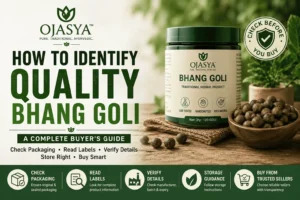
For additional information about evaluating packaged Bhang Goli products, see our Quality Bhang Goli: A Complete Buyer’s Guide.
How Bhang Goli and Bhang Powder Differ
Bhang Goli and Bhang Powder are two commonly encountered formats, but their main difference is their physical presentation.
Bhang Goli
Generally presented as a compact ball, pellet, or tablet-like product.
Bhang Powder
Presented in powdered form.
The exact ingredients and characteristics can vary between products, so the physical format alone does not determine the complete composition of a product.
For a detailed comparison, read Bhang Goli vs Bhang Powder: What’s the Difference?.
Why Are Traditional Bhang Products Still Relevant?
The continued interest in traditional bhang products in India can be understood through several factors.
Cultural Heritage
Bhang is associated with long-standing regional and cultural traditions.
Regional Diversity
Different communities have developed their own approaches to traditional preparations.
Historical Interest
The long history of bhang continues to attract people interested in India’s cultural heritage.
Traditional Product Formats
Products such as Bhang Goli and Bhang Powder provide modern formats associated with traditional preparations.
These factors help explain why bhang remains a subject of cultural and historical interest today.
Exploring Bhang Products at Ojasya
If you want to explore the available product categories, visit the Ojasya Bhang Products Collection.
You can explore:
These category pages provide product-specific information for visitors who want to explore modern packaged offerings.
Product availability does not itself establish that a product is legal to purchase, possess, sell, or transport in every location. Always check applicable local requirements.
Frequently Asked Questions
What Are Traditional Bhang Products in India?
Traditional bhang products are preparations associated with traditional bhang and regional practices in India. They can appear in different formats, including Bhang Goli, Bhang Powder, and other traditional-style formulations.
What Are the Main Types of Traditional Bhang Products?
Common product formats include Bhang Goli, Bhang Powder, Vijaya Vati-style preparations, and other traditional or herbal formulations.
What Is Bhang Goli?
Bhang Goli is a compact product format generally presented as a small ball, pellet, or tablet-like preparation associated with traditional bhang.
For more information, read What Is Bhang Goli?.
What Is Bhang Powder?
Bhang Powder is a powdered product format associated with traditional bhang preparations. Its ingredients and formulation can vary between products.
What Is Vijaya Vati?
Vijaya Vati is a traditional-style vati formulation associated with India’s broader history of herbal preparations. The ingredients and formulation can vary between manufacturers.
Are Traditional Bhang Products Part of Indian Culture?
Bhang has historical and cultural associations in parts of India, including connections with certain festivals and regional traditions. Practices vary between communities and regions.
Are All Bhang Products the Same?
No. Products can differ in ingredients, formulation, manufacturing process, packaging, and labeling. Consumers should check the specific product information.
Is Bhang Legal in India?
The legal position can depend on the product’s composition and state-level regulations. Consumers should check current laws applicable to their location.
For more information, read our Is Bhang Goli Legal in India? State-Wise Legal Guide.
Where Can I Explore Traditional Bhang Products?
You can visit the Ojasya Bhang Products Collection and explore the available Bhang Goli and Bhang Powder categories.
Related Ojasya Guides
For more information about traditional bhang and related topics, explore:
- Traditional Bhang in India: Culture, History & Heritage
- History of Bhang in India
- What Is Bhang Goli?
- Bhang Goli vs Bhang Powder
- Quality Bhang Goli Guide
- How to Store Bhang Goli
- Is Bhang Goli Legal in India?
Conclusion
Traditional bhang products in India represent a diverse collection of product formats and cultural traditions that have developed over generations.
Bhang Goli, Bhang Powder, Vijaya Vati-style preparations, and other traditional formulations can differ in their physical form, ingredients, formulation, and presentation.
Understanding these differences is useful for anyone researching traditional bhang and India’s cultural heritage. It is equally important to distinguish historical preparations from modern packaged products, since contemporary products can vary significantly between manufacturers.
By exploring the history, cultural context, product formats, and available product information, readers can develop a clearer understanding of the diverse traditions associated with bhang in India.
Disclaimer: This article is provided for educational and informational purposes only. Laws and regulations concerning bhang and cannabis-related products may vary by state and may change over time. Product information can also vary between manufacturers. Always review the applicable laws, product labeling, and manufacturer-provided information before purchasing or using any product.